
LiPo batteries have become one of the most popular power sources for modern electronic devices. However, when you look at a LiPo battery, you see terms such as 3S, 11.1V, 2200mAh, or 50C. Have you ever wondered what these terms mean? They are basically the specifications of a LiPo battery. These specifications describe the battery’s performance, safety, and lifespan. But if you are new to these terms, they might feel technical. However, worry not! In this guide, I will explore the basics of LiPo battery specifications and their meanings. So let’s get started.
What Are LiPo Battery Specifications & Why Are They Important?

LiPo battery specifications are the details that describe a battery’s features and performance. They explain how a LiPo battery works and what it can and cannot do, and are printed on the battery label or listed in the product description. These specifications include information like voltage, capacity, cell count, C-rating, and charging limits.
In simple terms, these specifications are a guide to understanding a LiPo battery. They help you know how much energy the battery can store and how much power it can safely deliver. At the same time, they tell you how long it can run and how to charge it. There are many reasons why understanding these specifications is crucial.
As you know, every LiPo battery is different. Using the wrong voltage, capacity, or discharge rating can lead to poor performance. This wrong battery can also damage your device. But once you know its specifications, you don’t have to guess whether the LiPo battery is suitable for your device. Instead, you can read these specifications and quickly understand their capabilities.
After that, you can choose the best that matches your device’s needs. Moreover, understanding these is important for ensuring safety. Basically, LiPo batteries are very powerful. A slight mistake in their handling can lead to bursts and serious injuries. But these specifications reduce the risk of overheating or overcharging. Both of these things highly affect battery safety.
Main LiPo Battery Specifications You Should Know
Now you have a basic idea of LiPo battery specifications and their importance. Right? Next, note that each battery has different specifications. So you must know their correct meaning and how to read them. For beginners, that can be overwhelming. That’s why I will discuss the key LiPo battery specifications you need to know here.
1- Voltage (V)
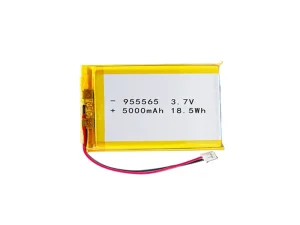
The first very important specification you will come across is the LiPo battery’s voltage. It tells you how much electrical power the battery can provide to a device. It is measured in volts (V) and is often described as the battery’s electrical pressure. Every LiPo battery has a nominal voltage, which is its normal operating voltage. A single LiPo cell has a nominal voltage of 3.7 V. But in LiPo batteries, many cells are connected in series.
That’s why the total voltage increases with the number of cells. For example, a 2S LiPo battery has a nominal voltage of 7.4V (3.7 + 3.7). Similarly, a 3S battery has 11.1V. Another important thing is that the battery voltage changes during use. A fully charged LiPo cell reaches about 4.2V. However, its voltage gradually drops as the battery is used. That’s why, to protect the battery, you should never discharge it below its minimum voltage.
2- Cell Count (S Rating)
The cell count, also called the S rating, indicates how many individual LiPo cells are connected inside the battery. The letter “S” stands for series, which means the cells are connected one after another. If a battery has a 6S rating, it means it contains 6 cells in series. The S rating is closely related to the voltage.
Since each battery cell has a nominal voltage of 3.7V, adding more cells increases the overall voltage. A battery with more cells means it has a higher voltage. That’s why, before buying a LiPo battery, you should first understand your device’s voltage requirements. After that, you can choose the battery with the right cell count accordingly.
3- Battery Capacity (mAh)
Battery capacity means how much electrical energy a LiPo battery can store. Capacity shows how long a battery can supply power before it needs to be recharged. Battery capacity is generally measured in milliampere-hours (mAh). A battery with a higher mAh rating will usually run a device for longer, and vice versa. For example, if you buy a 3000 mAh LiPo battery, it will store more energy than a 1000 mAh battery. If you use both batteries in the same device, the 3000 mAh battery will last longer.
Quick Highlight: Many confuse the battery capacity with battery power. But remember that both of them are totally different things. Battery capacity is just about how much energy it can store. A higher mAh rating does not mean the battery is more powerful or faster. The actual power highly depends on its voltage rating.
4- C Rating (Discharge Rate)
How quickly a LiPo battery can safely deliver its stored energy to a device is the C rating, or discharge rate. It is the maximum amount of energy a battery can deliver without being damaged. If a battery has a higher C rating, it means it will supply more power in a shorter time.
However, a lower C rating is suitable only for devices that don’t require much power at once. But remember, the C rating alone is not enough to choose a LiPo battery. It highly depends on the battery capacity as well. A battery with high capacity and a high C rating will only be able to deliver maximum current.
5- Energy (Wh)
Another specification of LiPo batteries is their energy, measured in watt-hours (Wh). Basically, it tells you the total amount of energy stored inside a LiPo battery. The Wh value depends on two things: voltage (V) and battery capacity (mAh). If either the voltage or the capacity increases, the total energy stored in the battery also increases.
Suppose there are two LiPo batteries, each with a capacity of 2200 mAh. Now, if one has a higher voltage, it will also have a higher Wh rating. This means both batteries store the same amount of charge, but the one with the higher voltage contains more total energy.
6- Charging Rate (Charge C Rating)
Now, there is a charging rate for LiPo batteries, which means how quickly they can be charged. Every LiPo battery has a recommended charging speed set by the manufacturer. Charging the battery beyond that limit can permanently damage it. Most LiPo batteries are designed to be charged at 1C.
It means the battery should be charged at a current equal to its capacity. Now, there are some advanced LiPo battery models that support 2C and 3C rates. These charging rates allow them to charge more quickly. But you should use a higher charging rate only if the manufacturer clearly states that the battery supports it.
7- Maximum Charge Voltage
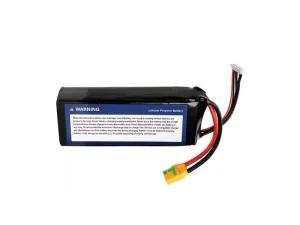
The maximum charge voltage is the highest voltage a LiPo battery can safely reach while charging. This charging voltage is directly proportional to the number of cells (cell count). For a standard LiPo battery, the maximum charge voltage is 4.2V per cell. The higher the cell count, the higher the maximum charge voltage.
For example, a 1S lithium polymer battery can be charged to 4.2V, a 2S battery to 8.4V, and a 3S battery to 12.6V. But charging the battery beyond its maximum limit can cause it to swell and burst. To prevent this, custom lithium-ion batteries now come with LiPo-compatible balance chargers. They help stop charging automatically when the battery reaches its safe maximum voltage.
8- Minimum Safe Voltage
The minimum safe voltage is the lowest voltage a LiPo battery should reach during use. It tells you the extent to which you can use the battery. As you use a LiPo battery, its voltage slowly decreases. This is normal. However, you should stop using the battery before the voltage falls too low.
For LiPo batteries, this is usually around 3.0V per cell. If the battery voltage drops below this level, the battery can become damaged. That means this minimum safe voltage is also related to cell count. A 1S LiPo battery should not be discharged below 3.0V. Likewise, a 3S battery should not go below 9.0V (3.0V × 3 cells).
9- Internal Resistance (IR)
Internal Resistance (IR) is the small amount of resistance that naturally exists inside every LiPo battery. In other words, it is the battery’s internal resistance to the flow of electricity. When buying a LiPo battery, keep in mind that it has a lower internal resistance. Why? Because a LiPo battery with low internal resistance supplies power more easily and doesn’t hinder current flow.
But high resistance creates a hindrance in the flow of electricity. Now the battery has to work harder to deliver the same amount of energy. This ultimately causes overheating, and the battery starts to perform poorly. As the battery becomes older, its internal resistance naturally increases. That’s why you must check it and, over time, replace the battery if the resistance becomes too high.
10- Battery Dimensions and Weight
Lastly, you will see the LiPo battery dimensions, which mean its physical size and weight, on its specification label. The dimensions usually include the battery’s length, width, and height. However, the weight will be written in grams (g). These specifications directly affect how the battery will fit into a device.
If a battery is too large and heavy, it will not fit into a smart device. In some applications, like drones, a slightly heavier weight can affect its performance. That’s why, before buying the battery for any device, always check the size and weight recommended by the manufacturer.
How LiPo Battery Specifications Affect Performance
The specifications of the LiPo battery directly affect your device’s performance. If you choose a battery with the right specifications, your device will work more smoothly and efficiently. But a specification that doesn’t match your device’s needs will ultimately lead to poor performance.
As I said above, each specification has its own job. For example, voltage helps the device get the power it needs to operate properly. Battery capacity (mAh) affects how long the battery lasts before it needs to be recharged. C-rating tells you how quickly the battery can deliver power. If any of these specifications are not met, the battery will not perform as expected.
Lastly, the right specifications of LiPo batteries also play a key role in heat generation and battery life. Suppose you choose the wrong charging rate. The battery will charge either more quickly or too slowly. Both of these conditions can generate heat in the battery. Heat directly puts stress on the battery and reduces its lifespan. But the right specifications help you avoid all these issues and choose the battery that is perfect for your device.
Conclusion
LiPo batteries have become a must-have in many modern devices. But when you go to buy them, you often see technical terms on their labels. These terms are known as their specifications and directly affect their performance. Basically, they are a guide about how the battery is designed. They talk about the minimum and maximum voltage. Also, these include cell count, energy, internal resistance, and dimensions. Once you know these specifications, you can choose the right battery for your device’s needs.