
LiPo (Lithium Polymer) batteries are widely used in different devices. These include RVs, portable cameras, and more. The higher energy density of LiPo batteries makes them stand out. However, these batteries require proper storage for safety. Many LiPo battery storage FAQs need answers.
People, especially those buying LiPo batteries for the first time, seem confused about how to store them. Storing lithium polymer batteries incorrectly affects their lifespan and performance. In this article, I will clear up the confusion people have about storing LiPo batteries by answering FAQs. This is going to be a must-read guide if you own lithium polymer batteries. Let’s get started.
Overview of Lithium Polymer Battery
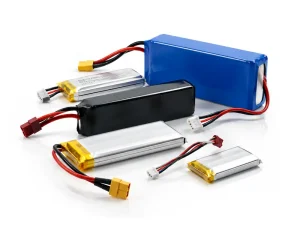
Before answering FAQs, let’s first quickly cover the basics of lithium-polymer batteries.
A LiPo battery is a type of lithium-ion battery that uses a polymer electrolyte. These batteries offer high energy density despite being compact and lightweight. They consist of electrodes, and the movement of lithium ions between them produces electricity. LiPo batteries also contain a polymer material, a gel, as an electrolyte.
The working of LiPo batteries is based on the movement of lithium ions. As I mentioned above, these batteries have two electrodes (cathode & anode). There is a dedicated separator between these electrodes, but it allows the lithium ions to pass through. The anode in LiPo batteries is made of graphene, while the cathode is made of a lithium-containing metal oxide.
The examples include lithium cobalt oxide or lithium nickel manganese cobalt oxide. When you use the battery, its lithium ions move from the anode (negatively charged) to the cathode (positively charged). During this ion movement, electricity is generated and used to power the specific device. When you charge, the opposite process happens.
During charging, lithium ions move back from the cathode to the anode and are stored there. This movement of ions between cathode and anode ensures both charging and discharging. These batteries offer high energy density, which is key for the operation of different devices. Additionally, they are safe, heat-resistant, and very compact, which makes them stand out.
Lipo Battery Storage FAQs
As I said above, storing the lithium polymer batteries correctly is essential. Why? The reason is that these batteries are sensitive. When stored at high temperatures in moist conditions, their internal parts can get affected. As a result, their overall performance degrades, which is a drawback. However, many have no clue what to consider when storing LiPo batteries. So there are several FAQs about battery storage. In the section below, I will answer these frequently asked questions.
1- How should LiPo batteries be stored?
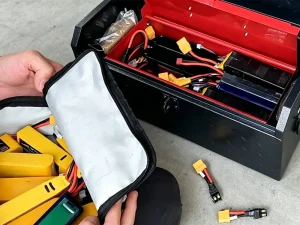
LiPo batteries should be stored in well-ventilated locations where temperatures are not too high. You should ensure the battery is around 50 to 60% charged. It is recommended not to store the battery when it is fully charged. This charge stresses the battery’s internal components and affects their performance. Ideally, each cell of the battery should have a voltage of 3.7-3.8 V. Many people make the mistake of covering the battery with a polythene bag. Avoid this and keep the battery in a fire-resistant bag, which adds a layer of security. In the worst case, if the battery gets overheated, the fire-resistant bag will keep the space safe.
2- How long can a LiPo battery sit unused?
Lithium polymer batteries can sit unused from a few months to whole years. However, it should be stored correctly. If you store the battery incorrectly, it may not sit for 3 to 4 months and start to degrade. Proper storage includes charging to 50%, keeping it ventilated, at room temperature, and so on. I also recommend periodic battery checks, especially if you intend to store the LiPo for a long time.
3- Can I store LiPo batteries in a garage?
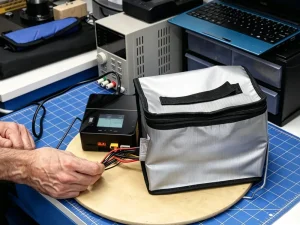
Yes. Lithium polymer batteries can be stored in the garage. However, you should ensure this garage has good ventilation. Additionally, there should not be moisture or high temperatures in the garage. However, if the garage has any heat or an ignition source, I recommend not storing the battery there. The ignition source can produce a spark that could affect the LiPo batteries.
4- What temperature is best for LiPo battery storage?
A temperature between 15–25°C (59–77°F) is considered the best for LiPo battery storage. You should avoid storing batteries in spaces where the temperature goes below 10°. Similarly, it is not advisable to store them when the temperature exceeds 30°C. Remember, both very high and very low temperatures are bad for lithium batteries.
5- Can I store a LiPo battery fully charged?
Yes. You can store LiPo batteries fully charged for a shorter duration (for days). However, this is not good practice to follow when you aim to store LiPo batteries for a month. Why? The reason is that high charging keeps the internal components under stress. This reduces their capacity and overall performance. As you know, one cell of a LiPo battery is 4.2V. I recommend 3.8 volts per cell for a LiPo battery when storing it.
6- Is it better to store LiPo batteries charged or uncharged?
LiPo batteries should not be either fully charged or fully discharged (empty). Instead, you should look for balance in battery charging. Keeping the LiPo battery at 50-60% charge is the best way to store it. It is worth noting that storing a battery when it is empty is also wrong practice and should be avoided. Ideally, store the LiPo battery at 50% charge, and it will maintain its performance for a long time.
7- Can I store LiPo batteries in a refrigerator?
No. You should not store the LiPo batteries in the refrigerator. Many people do this because these LiPo batteries are compact. However, putting the battery in the refrigerator exposes it to both moisture and condensation. These issues cause LiPo batteries to degrade quickly. Their internal components, including electrodes, also get affected. Refrigerators keep the temperature low (around 0°C) and are never suitable for LiPo batteries.
8- Can LiPo batteries lose charge while in storage?
Yes. Most batteries, including LiPo, lose charge when stored for a long time. That’s because of self-discharge, which causes the battery to lose charge even when it’s connected to the device. This self-discharging rate varies depending on battery age and other factors. If self-discharge is high, the battery loses more charge, and vice versa. If your battery loses charge quickly, this indicates the battery is too old or damaged.
9- Can I store LiPo batteries in a metal container?
Yes. You can store the LiPo batteries in metal containers. These containers keep the battery isolated from the surroundings. However, these metal containers do not guarantee fireproofing. If you want fireproofing, I recommend using fireproof bags. Metal containers, when exposed to high temperatures, also get heated. So removing the battery from these containers would be difficult if it catches fire.
10- What happens if a LiPo battery is over-discharged?
When a LiPo battery is over-discharged, the cell’s voltage drops to an extremely low level. This drop in voltage causes the cells to degrade or swell. As a result, the performance of the LiPo batteries degrades significantly. Your battery’s capacity reduces, and current delivery becomes too low. That’s why I recommend keeping the battery at 50% charge when storing it.
11- Can you store LiPos in cold weather?
Yes. You can store your lithium polymer battery in cold weather. However, you should always ensure the battery’s storage space has a temperature around 15°C. Additionally, the battery should not be exposed to moisture. If you keep the battery at freezing temperatures, it can quickly degrade the internal components of the LiPo battery. Similarly, in summer, never keep the battery in high-temperature conditions. Instead, store it in a space where temperatures remain below 30°C.
12- What is the safe LiPo battery storage voltage?
Each cell of a LiPo battery should be at 3.7 to 3.8 volts when stored. This means a 1S LiPo battery will have a total storage voltage of 3.7-3.8 volts. On the other hand, a 2S LiPo battery will have a storage voltage of 7.4–7.6 V. Lastly, a 4S LiPo battery will have around 15.2–15.4 V when stored. Simply put, you should ensure that each cell of the battery is at 3.7 to 3.8 volts. The more cells a battery has, the higher its voltage will be, and vice versa.
13- Do LiPo batteries need a fireproof storage bag?
Yes. LiPo batteries need a fireproof bag. The reason is that these batteries are sensitive to high temperatures. If they are suddenly exposed to very high temperatures, they can catch fire. The fireproof storage bag will protect the surrounding area from fire. The use of a fireproof storage bag is not only needed for LiPo batteries but for all types of batteries.
14- How often should I check stored LiPo batteries?
Regular inspection and checking of the battery is essential when you store it. I recommend checking LiPo batteries every month when they are stored. This is an ideal duration, helping you determine the battery’s exact condition. However, checking after every 2 or 3 months also works. You should not ignore the battery while it is stored. A battery can face various issues during storage. When inspected, you’ll know these issues and fix them quickly.
15- How do you store LiPo batteries in the house?
You should store the LiPo battery in a dry environment at a temperature of around 15 to 25°C. The space where you store your LiPo battery must be well ventilated. This ventilation ensures airflow, which keeps the battery in good condition. Additionally, keep the battery in a fireproof bag when storing it at home. If the battery catches fire for any reason, the bag will protect the surroundings from the fire.
16- What is the best percentage to store batteries?
A 50-60% charge is ideal when you’re storing the LiPo battery. At this charge level, the battery’s internal components won’t face stress. So they won’t deteriorate quickly. If a battery is fully charged or discharged when stored, this is bad for the battery’s health. Why? This affects the battery’s performance, resulting in low capacity and poor current delivery.
Conclusion
In conclusion, LiPo batteries are compact and offer high energy density. As a result, these batteries are widely used in various devices. You’ll see all those devices that require a high-energy surge to operate. The best examples of such devices include drones, RVs, and so on. However, these batteries are sensitive, which can be a drawback.
If they are handled carelessly or stored in the wrong place, their performance can be affected. Many people end up damaging their batteries due to a lack of knowledge about how to store them. In this article, I have covered various FAQs regarding LiPo battery storage. You will learn how to ensure the battery’s safety even if you plan to store it for years, not months.