







Batteries are an essential part of modern life. They power our phones, laptops, cars, and even home energy systems. Two common types are LiFePO4, also known as Lithium Iron Phosphate, batteries, and Lithium-Ion batteries. In this guide, we will explain 10 differences between LiFePO4 vs Lithium-Ion batteries to help you decide which one is better for your needs.
Differences Between LiFePO4 vs Lithium-Ion Batteries
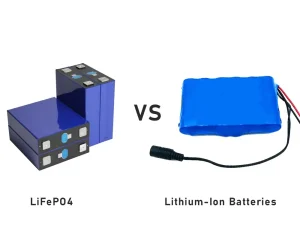
LiFePO4 and lithium-ion batteries both belong to the lithium family, but they are very different in how they work and how long they last. These differences matter because the best battery for you depends on safety and your specific needs. Below are the 10 differences that highlight how these two battery types compare in real-world use.
1- Chemical Composition
LiFePO4 batteries use lithium iron phosphate as their main chemistry. The mix of lithium, iron, and phosphate makes them very stable and safe. Unlike cobalt batteries, LiFePO4 batteries do not overheat easily, even in high heat or if damaged. This chemistry lowers the risk of fire or explosion. The strong bond between iron and phosphate also prevents thermal runaway.
Lithium-ion batteries use lithium cobalt oxide, lithium manganese oxide, or nickel manganese cobalt. These materials give them higher energy density, which means they can store more power in a smaller size. That is why they are common in phones and laptops. But the use of cobalt and nickel also makes them more prone to overheating and face risks like swelling or fire.
2- Energy Density

LiFePO4 batteries have lower energy density, usually around 90–120 Wh/kg. This means they store less energy per kilogram compared to lithium-ion batteries. For devices like electric cars or drones, where small size and extended run time are essential, this can be a drawback. Their lower energy density is fine for stationary setups, but users should check the timing of 10 kWh batteries to plan energy output.
Lithium-ion batteries are known for high energy density, usually between 150 and 250 Wh/kg depending on the type. This makes them lighter and able to run devices longer on a single charge. That is why they are the top choice for smartphones and laptops. But the higher energy density also puts more stress on the battery cells. It can shorten their life and raise the risk of overheating.
3- Cycle Life
One of the biggest strengths of LiFePO4 batteries is their long cycle life. They usually last between 3,000 and 5,000 charge cycles before their capacity drops a lot. In everyday use, this equals about 8–10 years of steady performance. This makes them an excellent choice for solar storage or off-grid systems. Even though LiFePO4 batteries cost more initially, their long cycle life makes them cheaper in the long run.
Lithium-ion batteries have a much shorter cycle life, usually between 500 and 1,000 charge cycles, depending on how they are used. After that, their capacity begins to fade, and heavy users may need replacements in just 2–3 years. LiFePO4. Because they don’t last as long, lithium-ion batteries are best for devices like phones or electric cars that get replaced often.
4- Safety and Thermal Stability

LiFePO4 batteries are known for being remarkably safe because they handle heat and overcharging well. This makes them a good choice for applications such as home energy storage or hospitals. Even in extreme conditions, they stay stable, giving users peace of mind. Their safety makes them ideal for long-term use in critical systems.
Lithium-ion batteries are more sensitive to heat, overcharging, and damage. If things go wrong, they can go into thermal runaway, which may cause fire or explosion. To reduce this risk, they always need a battery management system (BMS) to check voltage and temperature. While BMS makes them safer for daily use in phones and laptops, the risk is still higher than with LiFePO4.
5- Cost Comparison
LiFePO4 batteries cost more at the start because they are harder to make and are bigger for the same amount of energy. But if you look at the cost per charge cycle, they are often cheaper over time. For example, a LiFePO4 battery that lasts 4,000 cycles is much more cost-effective than a lithium-ion battery that lasts only 1,000 cycles.
Lithium-ion batteries are cheaper to buy and more readily available in stores. Lithium-ion batteries are more affordable to purchase and widely available. This happens because Chinese manufacturers make a lot of lithium-ion batteries for the world market. Their lower price makes them popular for budget electronics and electric vehicles.
6- Applications of LiFePO4 vs Lithium Ion
LiFePO4 batteries are often used in solar systems, backup power, medical devices, electric buses, and RVs. Their safety, stability, and long life make them ideal in places where replacing a battery is hard or expensive. Many lithium-ion battery manufacturers in China focus on high-density batteries for consumer electronics. They are also great for off-grid homes.
Lithium-ion batteries are the top choice for phones, laptops, tablets, and electric cars. Their small size and high energy storage let manufacturers make powerful, lightweight devices. They are also used in power tools and drones, where fast charging and portability matter. But they are not ideal for large stationary items or storage systems.
7- Charging Speed
LiFePO4 batteries usually charge at a moderate speed. They aren’t as fast as lithium-ion batteries, but they work well for solar systems and steady charging setups. The slower charging helps the battery last longer and keeps it from overheating. Most LiFePO4 batteries can reach about 80% charge in 1-2 hours, when used with the correct charger.
Lithium-ion batteries charge faster, especially in phones and electric cars with fast charging. For example, some smartphones can reach 50% charge in just 30 minutes. But charging too fast often shortens the battery’s life, so it’s best to mix fast charging with slower charging when possible.
8- Size and Weight
LiFePO4 batteries are heavier and bigger than lithium-ion batteries with the same energy. This makes them less suited for devices that need to be portable, like drones or mobile gadgets. However, this extra weight is not a problem for stationary setups, like solar storage or backup power. Their larger size comes from lower energy density and strong construction.
Lithium-ion batteries are small and light, making them ideal for phones, laptops, and electric cars. Their high energy density lets manufacturers pack more power into a smaller space. This is why lithium-ion batteries are the top choice for phones, laptops, and other devices where space and weight matter.
9- Environmental Impact
LiFePO4 batteries are better for the environment because they don’t contain cobalt or nickel. These metals can harm nature and come from unsafe mining. They last a long time, so fewer replacements are needed, creating less waste. The materials are also less toxic, making recycling safer and easier.
Lithium-ion batteries often have cobalt and nickel, which can harm the environment and come from unethical mining. They also wear out faster, so more are thrown away. Even with better recycling, they still have a greater environmental impact than LiFePO4. Choosing safer alternatives like LiFePO4 can help reduce environmental damage.
10- Temperature Tolerance
LiFePO4 batteries work well in temperatures from -20°C to 60°C. They stay stable in both hot and cold conditions. Their strong temperature tolerance also helps them last longer than many other batteries. This wide range makes them perfect for outdoor battery energy storage systems in varied climates.
Lithium-ion batteries are more sensitive to temperature changes. High heat can make them degrade faster. Cold weather can significantly reduce their capacity. It makes them less reliable for outdoor or industrial use unless temperature control systems are in place. Their narrower temperature range limits applications where LiFePO4 batteries perform better.
Frequently Asked Questions
Why do people prefer lithium-ion batteries for electronics?
For electronics, they are ideal due to their high energy storage, lightweight, and fast charging. It means smartphones, laptops, and tablets can run longer without making the devices bulky or heavy. They also recharge quickly, which suits the lifestyle of modern users.
What happens if a lithium-ion battery is overcharged?
If a lithium-ion battery is overcharged, it can become unstable and dangerous. Overcharging puts stress on the battery cells, causing them to heat up. This may lead to swelling, leakage, or even thermal runaway or fire explosion.
Are LiFePO4 batteries good for backup power?
Yes, LiFePO4 batteries are perfect for backup power. They are safe, stable, and long-lasting, which makes them reliable during power outages. Their chemistry resists overheating and fire risks, allowing them to be used indoors without worry.
Conclusion
Lastly, both LiFePO4 and lithium-ion batteries have their strengths and limitations. However, the right choice depends on what you need most: safety, long life, cost, or compact size. For example, LiFePO4 batteries shine in stability, durability, and eco-friendliness. This makes it the top choice for solar storage, backup systems, and applications where reliability matters most.
On the flip side, lithium-ion batteries offer higher energy density and faster charging. This is why they are the go-to option for phones, laptops, and electric cars. But remember, when choosing between LiFePO4 and lithium-ion, there is no one-size-fits-all answer. Hence, understanding these differences helps you to make smarter decisions.