







How long can a lithium-ion battery last without charging? This question is crucial for individuals who use gadgets with lithium batteries. Knowing the answer becomes a must when you’re out to buy any electronic device that uses Li-ion batteries.
Lithium-ion batteries can last for a few months even without charging. However, it still depends on whether the gadget is powered on, switched off, or in standby. If the gadget is switched off, this battery will last for up to 6 months. However, if the gadget is in standby mode, this battery will last for 2 to 8 days.
Interestingly, lithium-ion batteries have excellent performance and lasting power. Their higher energy density makes them stand out. However, how long they last depends on the type of gadget and the amount of energy it consumes. In this article, I’ll go into depth and explain the lasting effects of lithium-ion batteries. So, let’s begin!
Overview of Lithium-Ion (Li-Ion) Batteries
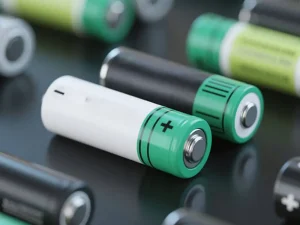
Before discussing the durability of Li-Ion batteries, let’s start with the basics of these batteries.
Lithium-ion batteries are compact, lightweight, and highly powerful. They are widely used in modern electronic devices, including smartphones. They use lithium ions, which transfer between the anode and cathode. This transfer of lithium ions ensures their smooth working.
In the past, nickel-cadmium and nickel-metal hydride batteries were more common. They were less efficient, and their overall performance suffered as a result. However, the introduction of lithium-ion batteries has brought a massive change. These batteries are compact and store energy due to better energy density.
Are you wondering about how these lithium-ion batteries work? They rely on the movement of lithium ions between the anode and the cathode. During charging, the lithium ions move in the electrolyte and flow from the cathode to the anode due to the applied voltage. These charges are stored on the anode, keeping the battery charged. During use or discharge, these stored lithium ions start to move back to the cathode.
This chemical reaction and the transfer of lithium ions are essential for the functioning of batteries. Interestingly, there are multiple types of lithium-ion batteries. However, they all utilize the lithium-ion movement for their operations. Additionally, the duration of all these lithium-ion batteries differs from one another. In fact, those types also differ in terms of their charge cycle, not just in duration.
How Long Can a Lithium-ion Battery Last Without Charging?
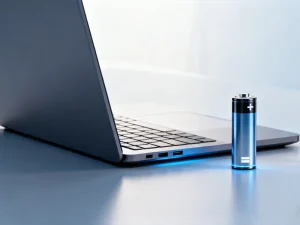
On average, lithium-ion batteries can last between 5 and 6 months without needing a charge. However, how long they last depends on the gadget in which they are being used.
Imagine you’ve a laptop with lithium-ion batteries. The battery is fully charged. Now, switch off the computer and keep it unused for a long time. In such cases, the lithium-ion battery will last more than 6 months. Why? Because the battery is not being used, as the laptop is switched off. Lithium-ion batteries have discharge rates of around 3% per month.
This means your lithium-ion battery will stay charged for a long time without fully discharging. Now, imagine a second case where your laptop is not switched off, but it is in standby Mode. In such a case, the same lithium-ion battery will last for 2 to 5 days. Why? The battery is being used since the laptop is switched on.
This lasting time will be reduced to 3 to 5 hours if the laptop is being used aggressively. This is true in all electronic devices, including smartphones. If the device is switched off, the battery would last longer, i-e, 5 to 6 months. However, their lifespan reduces when the device is in standby Mode or being used continuously.
Lithium-ion Battery Lasting Time in Different Devices
Here is a comparison of lithium battery lasting in different devices:
| Device | Switched Off | Standby Mode | Continuous Use |
| Smartphone | 3–4 months | 2–7 days | 4–12 hours |
| Laptop | 4–5 months | 1–3 days | 4–10 hours |
| Tablet | 3–4 months | 5–10 days | 8–14 hours |
| Electric Car (EV) | 1–3 months | 2–4 weeks | 200–500 km per charge |
| DSLR Camera | 5–6 months | 1–7 days | 2–6 hours shooting |
| Headphones | 1–2 months | 2–10 days | 4–40 hours |
It is noteworthy that lithium-ion batteries can have different lasting effects. It all depends on how and in which device they are being used. Additionally, their lasting can vary depending on whether the device is switched on, in standby Mode, or being used aggressively. Additionally, the battery’s capacity also plays a role in determining its longevity.
Interestingly, various sizes of lithium-ion batteries are available. Some of those are made to store more energy than others. Therefore, larger lithium-ion batteries can last longer than those with smaller capacities. Additionally, the conditions in which the battery is used also determine the duration.
Lifespan of Lithium-ion Batteries
The lifespan of lithium batteries can be considered in two different ways. One of them is how long a specific battery lasts (in years). The second method is to determine how many charge cycles a battery can withstand before it starts to show a decline in performance.
In terms of lifespan, a lithium-ion battery typically lasts between 2 and 5 years. Batteries that are used more aggressively last around 2 years. Similarly, lithium-ion batteries, when properly cared for, can last for years. In terms of charge cycles, lithium batteries typically offer 400 to 500 charge cycles before they begin to show a decline in performance.
Are you confused about the charge cycle? It refers to a complete cycle of charging and then discharging the battery. For example, you charge a lithium battery and it reaches 100%. After that, you start using it until its battery charge becomes zero. This will count as a single charge cycle. On average, lithium-ion batteries offer 400 to 500 charge cycles.
If your usage is less extensive, you’ll use these 500 charge cycles in 5 years. On the other hand, if you charge and discharge the battery regularly, it will decrease the battery’s lifespan. After 500 charge cycles, the lithium-ion battery will still be able to function. However, its performance won’t be as good as it was initially. It will last for a shorter time on a single charge.
Interestingly, different types of lithium-ion batteries can have different lifespans. For example, LiFePO4 batteries can provide up to 1800 to 2000 charge cycles. Similarly, some types of lithium-ion batteries have a very short lifespan. However, you should expect a charge cycle of around 500 cycles from the battery (lithium-ion).
Factors that Affect Lithium-ion Battery Lasting
Suppose you have two lithium-ion batteries. You keep them in one at cold temperatures and the other at high temperatures. Both of these batteries will drain out at different durations. This suggests that external factors can impact the longevity and performance of the batteries. In the section below, I will explain these factors and their impact on the long-term performance of lithium-ion batteries.
1- Temperature
Lithium-ion batteries perform optimally at room temperature. If the temperature is too high, it would affect battery performance. Why? The reason is that at higher temperatures, the reaction inside the battery will be faster. As a result, lithium ions move faster between electrodes.
This will result in a less lasting battery. Similarly, at very low temperatures, the movement of lithium ions would be very slow. This would result in slightly longer-lasting lithium-ion battery life. However, I consider room temperature to be best if you want both performance and longevity from your lithium-ion batteries.
2- Over-Charging & Fast-Charging
Overcharging and fast charging are not suitable for lithium-ion batteries. Overcharging occurs when the battery continues to charge beyond its capacity. This results in more stress and pressure on the battery. As a result, the battery’s performance and overall lifespan decrease. You’ll get less time from your battery on one charge if it is overcharged continuously.
On the other hand, fast charging is also bad for the lithium-ion batteries. Why? The reason is that fast charging results in more current in the battery than recommended. As a result, the battery becomes hot, resulting in compromised performance. Regular fast charging can reduce the lifespan of your lithium-ion battery, especially when used for a single charge.
3- Discharge Rate & State of Charge (SoC)
The discharge rate is a key factor that determines the lasting power of a lithium-ion battery. Do you use your device extensively and keep its brightness high? If so, the battery inside will drain out quickly due to the higher discharge rate. Similarly, if you use the device in a controlled manner, it would result in low discharge rates. Remember, the state of charge is also an important parameter that affects the battery’s lasting power.
I recommend you always avoid extreme charging and discharging levels. You should never charge the battery to 100%, and never discharge it to 0%. Doing so can have a very negative impact on the performance and longevity of the battery. Why? Because the battery charge holding cavity decreases if you charge and discharge it to the extreme level.
4- Humidity & Ventilation
Imagine your battery remains exposed to moisture. This would result in less lasting and harmful performance of the battery. The reason is that moisture or humidity will enter the battery, increasing the resistance. Due to this, the lithium-ion battery will drain out quickly. Similarly, keeping the lithium-ion battery in a ventilated area is crucial.
It ensures that the heat produced by the system or battery does not get trapped. Additionally, ventilation also provides fresh air that comes into the space. Due to the fresh air, the temperature of the space won’t increase too much. Remember, battery performance lasts longer when the temperature is between 20 °C and 25 °C.
5- Battery Age & Storage
The age of the battery is a highly influential factor in determining its performance. The reason is that lithium batteries, when they become aged, lose their ability to hold a charge for an extended period. As a result, they drain out quickly even if they are not used extensively. On the other hand, the new lithium-ion battery does not lose charge quickly.
This results in longer-lasting on a single charge. For aged batteries, I recommend charging them to 70% and discharging them to 20%. Additionally, they should not be stored and used in a hot place. Instead, you should keep the old lithium-ion battery at room temperature if you want a longer-lasting battery.
Frequently Asked Questions
How long can you leave a lithium battery without charging?
You can leave a lithium battery for 6 months without charging. They have a 3% discharge rate, and they will still be usable after 6 months even if you don’t charge them.
Do lithium-ion batteries go bad if not charged?
No. Lithium-ion batteries can remain in good condition even when left unattended and not charged. However, when you leave, make sure to charge them first. This way, their capacity and performance won’t degrade even if they are not charged for several months.
What happens if a lithium battery is not charged for 2 years?
Not charging a lithium-ion battery for 2 years will result in a deep discharge state. If this happens, your battery will lose its capacity to hold a charge. When you use it, the battery lasts for only very short durations. I recommend keeping the lithium battery charge at 50-60% for optimal performance.
Conclusion
Lithium-ion batteries have diverse uses. From small devices to EV cars, they have become important in every field. However, many people are unsure of how long lithium-ion batteries last without charging. Remember, there are various types of lithium-ion batteries available. The lifespan of each of those batteries can differ from that of the others.
If you don’t charge your lithium-ion battery, it will last for 5 to 6 months. After that, it may die and start to lose its charge-holding capacity. Additionally, how this battery is used also affects how long it lasts. In this article, I’ve discussed the lasting and overall performance of lithium-ion batteries.