







In the previous articles, I discussed the importance of lithium batteries. They are lightweight, compact, and store more energy, making them reliable options. However, these batteries fall into two major types: lithium-ion and lithium-polymer. Interestingly, there are many differences between LiPo and Li-ion batteries.
These differences have led people to debate these two batteries. Many people consider LiPo batteries superior, while lithium-ion batteries are the second option. Undoubtedly, both batteries perform excellently. However, their differences make them useful for different conditions. In this article, I will explain the differences between them to help you choose the right lithium battery for your needs.
Overview of LiPo and Li-ion Batteries
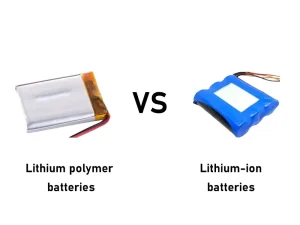
First things first: LiPo is short for lithium polymer, while Li-ion stands for lithium-ion batteries. Before discussing their differences, let’s first understand the basics of these two battery types.
Both LiPo and Li-ion are rechargeable batteries with higher energy density. However, lithium-polymer and lithium-ion batteries differ mainly in their electrolytes. Lithium-ion batteries use a liquid electrolyte. On the other hand, lithium-polymer batteries are unique: they use a gel-like electrolyte. Additionally, the LiPo batteries come in an aluminum pouch, which makes them somewhat unique.
The basic working principle of these two batteries is the same. For example, they consist of two electrodes, named the cathode and the anode. The movement of lithium ions between these two electrodes powers these batteries. During charging, lithium ions move from the cathode to the anode and are stored there. During use or discharge, those stored ions move from the anode to the cathode.
This movement of ions produces an electrical current, which the gadget uses. The electrolyte is the liquid inside the battery that allows ions to move. In LiPo batteries, there is no liquid; instead, there is a gel through which lithium ions move. This gel-like electrolyte improves the performance of these lithium polymer batteries.
It is worth noting that lithium-ion batteries are larger and store more energy. Additionally, they power large devices such as laptops and mobile phones. In fact, modern vehicles also use these Li-ion batteries. But these batteries lag when you need quick power (energy discharge). Despite their pros and cons, they are widely used across various industries.
Li-ion vs LiPo Battery: 8 Key Differences
These lithium batteries differ in many ways. However, this does not mean that one of these is superior to the other. Instead, their differences make these lithium batteries suitable for different applications. In the section below, I will discuss all the key differences between these lithium batteries.
1- Electrolyte Type & Shape (Packaging Material)
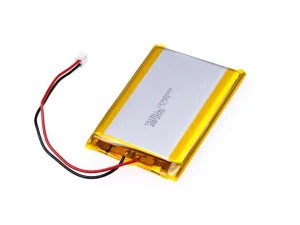
As I said earlier, the major difference between these batteries is their electrolyte. Remember, this electrolyte is important. That’s because it facilitates the movement of lithium ions between electrodes. Lithium-ion batteries use a liquid electrolyte. This liquid needs to be protected to prevent leakage.
So these batteries consist of a strong metal casing that encloses the electrolyte and electrodes. Due to the use of this metal casing, Li-ion batteries are slightly heavier. On the other hand, lithium-polymer batteries use a gel-like electrolyte. It does not use a metal casing; instead, it encloses the electrodes in an aluminum pouch.
2- Energy Density & Performance
LiPo and Li-ion batteries differ in the energy they store. The lithium-ion batteries can store more energy in a smaller space. As a result, these batteries can power the gadgets for a long time. For example, a laptop with a lithium-ion battery can work for 3 to 4 hours on a single charge. On the other hand, lithium-polymer batteries have lower energy density.
This means they don’t store much energy. As a result, these batteries drain very quickly when used in the gadget. What makes LiPo stand out is its ability to provide high-energy bursts quickly. For example, they provide high energy to drones but last for a very short time. They are suitable for gadgets that consume a lot of energy at startup.
3- Cycle Life & Safety Level
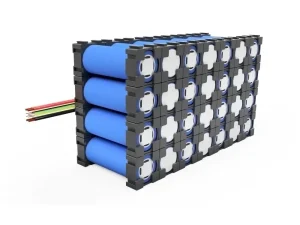
Lithium-ion batteries are a superior option if you count cycle life. They can easily deliver over 1,000 cycles, which is excellent. Confused about what cycle life is? One charge and discharge make one cycle. This means lithium-ion batteries can be charged and discharged over 1000 times before they deteriorate. Additionally, they consist of a metal casing with their electrolyte enclosed.
So they are less prone to leakage, making them safer. On the flip side, lithium-polymer batteries provide a maximum of 500 charge cycles. This makes them less suitable if you don’t want to replace the battery every year. Unlike Li-Ion batteries, these batteries are sensitive to overcharging and heating. So they are not very safe to use, especially if you repeatedly experience overcharging.
4- Charging Speed & Discharge Rate
I consider both batteries equally good in terms of charging speed. They are equipped with fast charging, which has significant advantages. However, how fast a battery charges also depends on the charger you use. However, lithium-polymer batteries win the debate when it comes to discharge rates.
They can discharge all the stored energy quickly in a burst. This means they can provide high power to gadgets in no time, only to get drained out. As a result, these batteries are common in gadgets like drones and RC vehicles. On the other hand, lithium-ion batteries discharge steadily. They slowly discharge their stored energy, keeping the gadget powered for a long time.
5- Durability & Thermal Stability
Lithium-ion batteries are extremely rugged and durable. Why? That’s because of their strong metallic casing, which encloses their internal components. Modern manufacturers use high-quality metals in making these casings. This makes Li-ion batteries more resistant to drops from a height. Additionally, they are thermally stable and don’t malfunction if overcharged.
Conversely, lithium-polymer batteries don’t have a strong casing. Instead, they are protected by an aluminum pouch. This pouch is not very strong, so these batteries can get damaged if they fall. Additionally, they are sensitive to heat and overcharging and lack thermal stability. You will have to handle them carefully and avoid using them at high temperatures.
6- Weight & Thickness
Weight and thickness are important considerations for compact devices. Modern manufacturers want to make compact devices and need small batteries that can fit in tight spaces. In such a case, lithium-polymer batteries are better. They are thin and compact due to the aluminum pouch, which is very flexible.
You can easily fit them even in a smaller space. Conversely, lithium-ion batteries are larger and bulkier. Why? The reason is that they consist of a strong, rigid metal frame or casing. These casings or enclosures make them appear bigger and thicker. Therefore, these batteries are generally bulkier than lithium-polymer batteries.
7- Cost & Ongoing Maintenance
Lithium-ion batteries are inexpensive, which is a standout feature. In fact, their low price is what makes them more common than LiPo batteries. Additionally, maintaining these batteries is relatively easy. It is worth noting that these batteries are also safe and less prone to leaks. So you don’t have to worry about their regular maintenance.
If you take care of them, they will last for years. Conversely, LiPo batteries are very expensive due to their advanced, complex technology. Additionally, maintaining these LiPo batteries is a big problem. If used at high temperatures by mistake, these batteries can also swell or leak. So you must be prepared for ongoing maintenance if you choose LiPo batteries.
8- Self-Discharge Rate & Applications
The self-discharge rate indicates how quickly a battery loses its stored energy when not in use. For example, you store a battery, and it will keep discharging power. Lithium-polymer batteries have a high self-discharge rate, which is a drawback. This means they quickly lose all the stored energy, especially if stored for a long time.
On the flip side, the lithium-ion batteries have a low self-discharge rate. They don’t lose stored energy quickly; instead, they do so steadily. If you store them in one season and take them out the next, they will still retain some charge. In applications, Li-ion batteries are used in gadgets that require steady power.
Conversely, LiPo batteries are suitable for devices that require high-energy bursts for operation. Here is a table comparing the applications of Li-ion and LiPo batteries.
| Applications of Li-ion Batteries | Applications of LiPo Batteries |
| Laptops | Drones |
| Smartphones | RC Cars & Boats |
| Electric Vehicles (EVs) | Slim Gadgets |
| Power Banks | Wearable Devices |
| Power Tools | High-Power Electronics |
Frequently Asked Questions
Is lithium-ion better than lithium polymer?
Yes. Li-ion batteries perform better for devices that require steady power. They can last longer to ensure the device does not stop during its operations. Additionally, they are safe, offer greater cycle life, and feature a lower discharge rate.
Are lithium-ion and lithium polymer batteries the same?
No. LiPo and Li-ion batteries differ. Li-ion batteries use a liquid electrolyte, whereas LiPo batteries use a gel-like electrolyte. The LiPo is known for its high-energy burst provision. Li-ion is the best option for steady power, longer-lasting performance, and is comparatively affordable.
Do lithium-ion batteries last longer than LiPo?
Generally yes. Li-ion batteries are more thermally stable and offer higher charge cycles than LiPo batteries. Additionally, they feature a strong metal casing, making them durable. LiPo batteries are sensitive and may not last as long in most cases.
Conclusion: Which battery should you choose, Li-ion or LiPo?
As I said, Li-ion and LiPo batteries are excellent in their own ways. Their differences do not make one superior to the other. The reason is that both of these batteries are used for different products and applications. If you want longevity and performance, I recommend opting for lithium-ion batteries. They will last longer, provide steady power, and are inexpensive.
On the other hand, if your priority is high-energy bursts, choose LiPo batteries. They don’t last long, but deliver high power quickly in a burst. Ultimately, the selection between Li-ion and LiPo batteries comes down to what you need. You should analyze your use cases and then choose a battery between these two.