







LiFePO4 and lead-acid batteries are very popular. Both have their specified use cases based on their specialties. LiFePO4 is considered advanced and better in terms of performance. On the flip side, you’ll see many oldies favoring the lead-acid batteries. This difference of opinion sparked a debate on LiFePO4 vs lead-acid batteries.
Lead-acid batteries are widely used in cars. They have been in use for 150 years. Their bigger size and lower price are key features of this type of battery. However, the LiFePO4 is compact, expensive, and offers top-notch performance. In this article, I will compare LiFePO4 and lead-acid batteries head-to-head. So, let’s begin!
Basic Rundown of LiFePO4 & Lead-Acid Batteries

Lead acid and LiFePO4 batteries offer a unique value proposition. Both are excellent, but differ in many aspects.
Lead-acid batteries use lead dioxide (PbO₂) as the cathode. The sponge lead (Pb) in these batteries acts as an anode. The H2SO4 is used as an electrolyte in these batteries. The movement of ions happens between the cathode and the anode. This movement generates the electricity that runs different machines.
The first lead-acid batteries were made back in 1859. Since then, these batteries have been in active use. It underwent different changes for better performance. However, its major structure remains the same. These types of batteries are widely used in cars and other automobiles. A bigger size is a key indicator of these batteries.
LiFePO4 batteries, on the other hand, are modern, compact, and offer better performance. They have a lithium-ion phosphate as a cathode. Similarly, graphite is used as an anode. Instead of H2SO4, these batteries use lithium salt as their electrolyte. Movement of lithium ions between the cathode (LiFePO4) and the anode (graphite) produces electricity.
These batteries are generally charged through solar panels or dedicated chargers. Once the sun goes down, the stored energy is used as electricity. During charging, the lithium ions from the cathode go to the anode and are stored there. During discharging, the lithium ion moves back from the anode to the cathode. This movement of lithium ions produces electricity, which we use.
The modern devices come with LiFePO4 batteries. Their use is widespread in modern battery energy storage systems. Modern houses use them as a backup when they use a solar setup as a source of electricity. These batteries are expensive and have a higher upfront cost. But their long-lasting and better durability make them more cost-effective than their counterparts.
What are the Differences Between LiFePO4 & Lead-Acid Batteries?
As said earlier, both lead acid and LiFePO4 batteries have many differences. Their distinctions make them suitable for different use cases. For example, lead-acid batteries are more suited for vehicles due to their bulky size. LiFePO4 is compact, long-lasting, and ideal for modern gadgets. Let’s discuss all the significant differences between these two battery types.
1- Weight & Energy Density

LiFePO4 batteries are known for their compact size and lightweight. They have higher energy density. It means these batteries can store more energy despite being smaller. On the other hand, lead-acid batteries are bulky. Their weight is too high, which is a big drawback. These batteries have bigger lead plates.
These plates occupy more space inside the battery. Additionally, they also contain sulphuric acid as an electrolyte. All these contribute to the bigger size of these lead-acid batteries. The overall energy density of lead-acid batteries is lower than that of LiFePO4 batteries. So, they store lower energy as compared to LiFePO4 batteries.
2- Depth of Discharge (DoD) & Self-Discharge Rate
LiFePO4 batteries come with high DOD (Depth of Discharge). Depth of discharge indicates how much of a battery’s capacity can be safely used. If you use the battery’s capacity beyond its safe limit, it can shorten the battery’s life. LiFePO4 batteries offer 80 to 90% of DOD.
On the flip side, lead-acid batteries have very low Depth of Discharge. Fully charged lead-acid batteries can use 50% of their capacity. If you use more than that, it would affect the life of these batteries. Self-discharge rate is another critical parameter. The LiFePO4 batteries have a lower self-discharge rate.
If you keep the battery in for a month, its stored energy will drop or discharge only 3%. On the other hand, lead-acid batteries have a higher self-discharge rate. They can lose 8 to 10% of energy (discharge) if you keep it for a month. Therefore, LiFePO4 batteries are used in storage systems and grid stations. They can be used to achieve higher capacity and store energy for extended periods.
3- Charging Speed & Temperature Performance
The LiFePO4 batteries can be charged quickly. They accept the higher current during charging and don’t experience overheating. On the flip side, the lead-acid batteries are very slow in terms of charging speed. They can take 5 to 8 hours to complete charging.
On the flip side, both batteries perform excellently at moderate temperatures. However, the LiFePO4 batteries can withstand higher temperatures. On the flipside, the lead-acid batteries can malfunction if the temperature is too high. However, these batteries perform excellently at very low temperatures. On the flip side, LiFePO4 batteries struggle at low temperatures.
4- Cycle Life & Lifespan (Years)
LiFePO4 batteries win the race when it comes to charge cycles. These batteries offer a high number of life cycles, ranging from 3000 to 5000. On the other hand, lead-acid batteries are significantly less advanced, offering a total of 300 to 500 charge cycles. Charge cycle refers to a complete charging and discharging cycle. Suppose you have a LiFePO4 battery and you charge it and use it daily.
This battery will easily remain in good shape for at least 10 to 12 years. Now imagine a lead-acid battery that is charged and used daily. It will last only for 2 to 3 years. Additionally, the presence of acid (electrolyte) and lead plates can lead to corrosion issues. This issue can further reduce the life of lead-acid batteries. However, the LiFePO4 batteries do not face corrosion issues. So they can last longer than their counterparts.
5- Usable Capacity & Voltage Stability
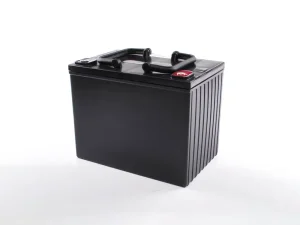
LiFePO4 and lead-acid batteries differ in terms of their usable capacity. LiFePO4 batteries on full charge can be used up to 80 to 90%. During this use, these batteries maintain the voltage. Even when the battery is charging slowly, the voltage will still be steady. On the flip side, lead-acid batteries have compromised usable capacity.
They can be used up to 50% on a full charge. In simple words, 100Ah LiFePO4 will offer double the energy of 100Ah lead-acid batteries. Additionally, these batteries don’t maintain their voltage. At the start, they will provide optimal voltage. But as the energy (stored) of these batteries reduces, they drop the voltage as well.
6- Safety & Environmental Impact
LiFePO4 batteries are safer than their counterparts. They are more stable and do not catch fire. They are non-combustible and don’t overheat. These factors make these batteries very safe for long-term use. Additionally, these batteries do not emit harmful gases during their operation.
So, they are environmentally friendly and can be recycled. On the other hand, lead-acid batteries are unsafe, especially in high temperatures. They are prone to leakage issues and can spill acid. Additionally, they emit harmful gases during their work. Due to this, I consider lead-acid batteries less environmentally friendly.
7- Cost (Upfront vs Lifetime) & Maintenance
LiFePO4 batteries are premium and offer ideal performance. However, their initial cost is higher than that of lead-acid batteries. Better durability, more life cycles, and usable capacity make them stand out. These batteries don’t require regular maintenance, which reduces their upkeep.
On the flip side, lead-acid batteries have a lower upfront cost. However, they have compromised durability and offer a lower life cycle. Their life is 5 times lower than that of the LiFePO4 batteries. Moreover, these lead-acid batteries need regular maintenance. Despite a lower upfront cost, they come with the drawback of a higher lifetime cost.
8- Applications & Risk of Leakage/Spills
As I said earlier, lead-acid batteries use H2SO4 as electrolyte. These batteries are more prone to leakage due to weaker sealings. As a result, the acid can leak out and cause the battery to become messy. On the flip side, LiFePO4 batteries don’t have liquid acid as an electrolyte. Additionally, the body of these batteries is perfectly sealed.
So there is no leakage or spillage of electrolyte. When it comes to application, both LiFePO4 and lead-acid batteries have their unique uses. The LiFePO4 batteries are preferred for modern devices. On the other hand, lead-acid batteries are suitable for cars and other vehicles due to their bulky size. Here is a table showing their key applications:
| Lead-Acid Battery Applications | LiFePO4 Battery Applications |
| Car starter batteries. | Solar energy storage |
| UPS (uninterruptible power supply) | Electric vehicles (EVs) |
| Forklifts. | RVs and campers |
| Telecom backup systems. | Marine and boats |
| Low-cost solar storage. | Portable power stations |
| Golf carts. | Grid energy storage |
| Industrial machinery. | E-bikes and scooters |
Frequently Asked Questions
Is LiFePO4 better than lead acid?
Yes, I consider LiFePO4 superior to lead acid batteries. They offer better lifespan, more life cycles, safety, and charge quickly. Additionally, these batteries are compact and lightweight, which is a significant advantage.
Can LiFePO4 replace lead-acid batteries?
Yes. LiFePO4 batteries are modern and have excellent energy storage systems. These modern engines offer sudden energy thrust for quick engine ignition. Moreover, they are durable and provide a better lifespan. These factors make LiFePO4 a suitable replacement for lead-acid batteries.
Is it bad to keep LiFePO4 batteries fully charged?
No. It is not bad to keep LiFePO4 batteries fully charged. When you’re storing a battery, make sure to charge it fully. These batteries undergo energy discharge (up to 2%). More energy stored will be used when you need it.
Concluding: Which One Should You Choose, LiFePO4 or Lead-acid Batteries?
I always favor LiFePO4 over lead-acid batteries. Some old-school people generally argue that these batteries are expensive. This is a half-truth, which is very confusing. LiFePO4 is costly, but its performance is ideal. Additionally, they last longer and don’t need regular maintenance.
Their zero upkeep makes these batteries cost-effective in the long run. The lead-acid batteries are cheap, but their regular maintenance is a headache. Additionally, these batteries have a total life of 2 to 3 years, which is five times less than LiFePO4. Therefore, you should always prefer LiFePO4 over lead-acid batteries.