







Lithium batteries have become very popular. Their compact size and higher energy density made them suitable for use in different devices. Interestingly, these lithium batteries are superior and offer better performance than lead-acid batteries. However, people still ask: Does lithium battery leak?
This confusion is common because all traditional batteries suffer from leakage issues. This makes people believe that lithium batteries are also prone to leakage. The quick answer is that lithium batteries have excellent seals and don’t leak in normal conditions. In this article, I will discuss the lithium battery leakage problem in detail. So, let’s begin!
Do Lithium Batteries Leak?

Generally, lithium batteries don’t leak at all. But does that mean lithium batteries are leak-proof? The answer is NOT! These batteries can leak, but leakage is rare and occurs only under highly unfavorable conditions. Remember that lithium battery safety means using it with care, not harshly.
Here are three key reasons why lithium batteries don’t leak.
- First of all, the lithium batteries come with excellent airtight sealing. As you know, the outer casing of lithium batteries is typically made of aluminum. So, this casing is robust and sealed. As a result, the electrolyte in the lithium battery remains contained. Gases and other chemicals cannot escape through it, even if the battery is impacted or falls.
- It is noteworthy that battery leakage happens when the battery overcharges. This is common in all conventional batteries (lead-acid). When the battery overcharges, its temperature rises, which can lead to leakage. The lithium batteries come with advanced systems that prevent both overcharging and overheating. No overheating means there won’t be heating issues in the lithium battery.
- Lithium batteries come with specialized chargers. These chargers maintain a constant current-to-voltage ratio during battery charging. Initially, the charger steadily increases the current and voltage. There comes a time when the voltage per cell of a lithium battery reaches its maximum (4.2V). At this point, the charger reduces the current and keeps the voltage constant at 4.2. As voltage and current remain within specific limits, it ensures the battery does not overheat or overcharge. As a result, the risk of leakage from these batteries is very low.
What Actually Leaks from a Lithium Battery?
As I said earlier, lithium batteries don’t leak. But they are never leak-proof and can leak in extreme conditions. For example, imagine you have a lithium battery, and you always overcharge it at high temperatures. This specific condition can cause leakage. But what leaks from lithium batteries in that condition?
Generally, people believe that all batteries leak acid when they are overcharged or overheated. That’s only true for acid-based batteries, i.e., lead-acid batteries. However, lithium batteries are unique because they don’t contain acid. Instead, they have electrolytes that assist the travel of ions inside the battery.
This electrolyte is a mixture of lithium hexafluorophosphate and some organic solvents. During leakage, this chemical comes outreacts with other gases, which can pose an issue. Its reaction with other gases can produce toxic gases harmful to human health. When we say ‘leak’ in lithium batteries, we actually refer to the gases discharged from their vents.
Do Lithium Batteries Leak like Alkaline?
Lithium batteries don’t leak like alkaline or lead-acid batteries.
Firstly, the lithium batteries don’t leak in normal conditions. That’s because of better sealing and advanced technology used in lithium batteries. So, they are safer than alkaline batteries. Even if they leak in rare cases, the leakage is never comparable to that of an alkaline battery.
Remember, when an alkaline battery leaks, you see a white liquid spill out. Additionally, if these batteries leak more regularly, you’re more likely to see this white liquid. However, when a lithium battery leaks, it does not release the white liquid you see in alkaline batteries. Instead, they emit fumes or gases through the vent when overheated.
It is noteworthy that these gases are harmful and should not be inhaled. But this gas emission makes lithium battery leakage different from that of other alkaline batteries. Remember, the risk of leakage from lithium batteries is far lower than that from alkaline or lead-acid batteries. Therefore, lithium batteries are considered the safest.
Causes of Lithium Battery Leaks (Rare Case)
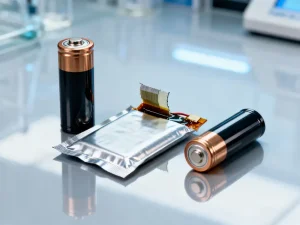
In normal conditions, the lithium batteries don’t leak. Why? That’s because of the airtight sealing and strong body (casing) of these lithium batteries. However, some unfavorable conditions can cause leakage issues. In the section below, I will discuss some of those key causes:
- Overcharging Issue: If you regularly overcharge the lithium battery, it can lead to leaks over time. Overcharging once or twice is fine, and it won’t cause leakage. But having a habit of overcharging lithium batteries is very bad. It can cause both heating issues and leakage in these batteries.
- Sudden Shock: If the lithium battery falls from a certain height, its airtight seal can be damaged. Remember, the casing of these lithium batteries is robust. It does not deteriorate even when exposed to sudden impact. However, the airtight seal can be damaged, resulting in leakage from the lithium batteries.
- Overheating Issue: As you know, lithium batteries contain an electrolyte and chemicals. Right? If this battery remains exposed to high temperatures, it is more likely to overheat. Due to this overheating, the chemical reaction inside the battery can speed up. As a result, there can be leakage issues due to the battery’s very fast reaction.
Some causes of lithium battery leakage are preventable. For example, you should ensure your lithium battery doesn’t overcharge, overheat, or face impact. These will ensure there are no leakage issues with your batteries in the years to come. However, there are some causes of lithium battery leakage that you cannot do much about. Some of those include:
- Poor-quality lithium battery with weak sealing or a thin casing.
- A lithium battery that is very old and about to complete its lifecycle or lifespan.
What Happens if a Lithium Battery Leaks?
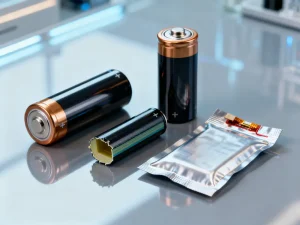
I know the lithium batteries are based on modern technology and are the safest. The chances of their leakage are very low. However, since they are not leak-proof, you should know the damage that leakage from these lithium batteries can cause. This will help you act wisely to face these leakage issues:
- First, the leakage of lithium batteries can release organic electrolyte as gas. This chemical can further react with the moisture present in our atmosphere. As a result, it can produce hydrogen fluoride, a toxic gas. These gases can cause skin allergies and other such conditions.
- The leakage of lithium batteries can also release some corrosive chemicals. In fact, the electrolyte of lithium batteries is also corrosive. These elements can cause corrosion of the metallic parts of lithium batteries. Even after cleaning the leaked liquid, the corrosion of the metallic parts will shorten the lifespan of these batteries.
- Interestingly, the leaked electrolyte from lithium batteries can even cause fire. How? The reason is that the electrolyte or chemical used inside the lithium batteries is flammable. This chemical can ignite fires when released in larger quantities, posing serious safety risks. Therefore, it is best to use these lithium batteries with care, avoiding overheating and overcharging.
- Lithium batteries work by the movement of ions between electrodes. These electrolytes present in the battery assist the movement of these ions. If a leak occurs, this electrolyte is wasted. As a result, there will be less electrolyte inside the lithium battery. This will affect the performance of lithium batteries, especially when powering high-end devices.
How to Clean up a Lithium Battery Leak?
Lithium battery leaks might look harmless, but they can be dangerous if not handled properly. If you ever come across a leaking lithium battery, don’t panic! With the right approach and a few careful steps, you can clean up the mess safely and effectively. Here is how you can clean up a lithium battery leak safely.
- Before you start cleaning, your safety should be the top priority. Remember, lithium battery leaks can release harmful chemicals that may cause burns or irritation. That’s why you should always wear protective gloves, goggles, and a mask to avoid direct contact with any leaked material.
- After that, identify the type of lithium battery. It will help you understand the nature of the fluid or leak. For example, in lithium-ion batteries, leaks are usually caused by electrolyte leakage. However, for lithium-metal batteries such as coin cells, the leaked material is stronger and harmful.
- Once you’ve identified the battery type, handle it very carefully. For this, I recommend using insulated tools, such as plastic tweezers, to pick up the leaking battery. However, pick it gently and do not squeeze or puncture it, as this can cause a fire or explosion. Now, place the damaged battery into a non-conductive container (made of plastic).
- If you see white or crusty residue around the battery area, it’s likely from leaked electrolytes. So, you have to gently neutralize this residue with a small amount of vinegar or lemon juice. These mild acids help counteract the alkaline chemicals. However, do not pour the vinegar directly onto the surface. Instead, just apply it with a small cloth or cotton.
- After neutralizing the residue, wipe the affected area with a clean, damp cloth or alcohol. Alcohol helps dissolve leftover electrolytes and evaporates quickly, leaving no moisture behind. Repeat wiping until the surface looks clean. Lastly, dispose of all materials used during the cleaning properly.
Frequently Asked Questions
How to prevent leakage issues in lithium batteries?
Overcharging and overheating are the two primary reasons for leakage in these batteries. If you charge your lithium battery properly, you will never have a leakage issue. Additionally, you should handle your lithium batteries carefully and avoid throwing them forcefully. This can affect their sealing and cause leakage.
What are the signs that my lithium battery is about to leak?
There are prominent signs that the battery is about to leak. Those include swelling on the surface of the battery or a bad odor from the lithium battery. If you see these two signs, stop using your lithium battery. It is a signal that your battery has an issue, and you should get it repaired before it leaks.
What should I do if my lithium batteries start to show signs of leakage?
As I said earlier, lithium batteries don’t leak easily and remain in good shape for years. However, I recommend disposing of the lithium battery if it has leaked. Remember, there is no fix for leaking lithium batteries. Even if you have your leaking battery repaired, it will continue to leak and pose safety issues.
Conclusion
Can leaking lithium batteries be repaired and reused? The answer is NO! In fact, I don’t even recommend repairing a battery that is already leaking. Why? The reason is that such lithium batteries cannot be trusted. Even when the battery is slightly overcharged, it will start leaking again.
In simple words, these become very sensitive, and disposing of such lithium batteries is the best solution. I repeat it: lithium batteries don’t leak. However, when they leak, they can be hazardous and should not be used. In this article, I have discussed everything about lithium battery leaks.