








In the previous article, we compared LiFePO4 with lead-acid batteries. However, this article will focus on two popular types of batteries. One is LiFePO4, while the other is gel-based batteries. The debate on LiFePO4 vs gel batteries has been around for years. Remember, gel-based batteries are a type of lead-acid battery.
Undoubtedly, both of these batteries are excellent in their ways. Due to this, the selection between these lithium and gel-based batteries can be very confusing. This article will debunk the differences between these battery types. Understanding them will help avoid guesswork and make informed buying decisions. So, let’s get started!
Difference Between LiFePO4 & Gel Batteries

The significant difference between these two batteries lies in their chemistry. LiFePO4 uses lithium iron phosphate as a cathode. However, gel batteries use lead dioxide (PbO₂) as the cathode. Similar to typical lead-acid batteries, these gel-based batteries use sponge lead (Pb) as the anode. LiFePO4 batteries use graphite as their anode. Let’s dive in and discuss LiFePO4 and gel batteries in detail.
1- Cathode Chemistry

The cathode chemistry is one of the main differences between LiFePO4 and Gel batteries. LiFePO4 batteries use lithium iron phosphate as their cathode material. On the other hand, gel batteries are a type of lead-acid battery. Instead of using lithium-based materials, their cathode is made from lead dioxide (PbO₂).
LiFePO4 batteries have an anode made of graphite, whereas the anode of gel batteries consists of sponge lead. Both of these batteries differ in terms of their electrolyte as well. LiFePO4 batteries use lithium salt as their electrolyte. On the other hand, gel batteries use silica-based gel as their electrolyte.
The cathode of LiFePO4 batteries is more stable and increases the energy density of these batteries. Therefore, the LiFePO4 can store and deliver more energy than gel batteries. Gel batteries are heavier and bulkier for the same capacity. So these batteries are used in bigger machines and devices. They require more space for their installation.
2- Energy Density
Energy density is an essential factor that must be checked when buying batteries. It indicates how much energy a battery can store in a specific space or volume. The LiFePO4 batteries have better energy density (90–160 Wh/kg). The reason is that their cathode (lithium iron phosphate) can store more energy efficiently.
On the other hand, gel batteries have much lower energy density (30–50 Wh/kg). Due to this low energy density, gel batteries are much bulkier compared to LiFePO4 batteries for the same energy storage. LiFePO4 batteries are more compact and can still store higher energy in less weight and size.
3- Cycle Life & Lifespan in Years
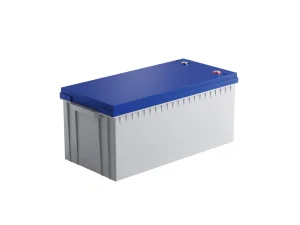
Cycle life means how many times a battery can be charged and discharged before it starts to decline in its performance. After a specific cycle life, the battery’s energy storage capacity drops significantly. LiFePO4 batteries offer over 3000 cycle life. It means you can charge them and then use them more than 3000 times. Their lifespan is between 10 and 12 years.
On the other hand, gel batteries typically offer between 500 and 1,200 cycles, depending on the depth of discharge and usage conditions. Their overall lifespan is generally between 4 and 8 years. This lower cycle life and shorter overall lifespan make gel batteries an inferior option. This is even more important for long-term usage, where longevity is a priority.
4- Operating Temperature Performance
LiFePO4 batteries offer better performance in high-temperature conditions. The reason is that the phosphate bond in their electrode material is very stable. When exposed to heat, this bond does not break. These batteries do not overheat, which could cause an explosion. On the other hand, gel batteries face significant challenges at higher temperature conditions.
When exposed to high temperatures, the chemical activity inside a gel battery increases. It can cause accelerated corrosion of the internal plates. Additionally, their gel-based electrolyte can undergo evaporation. This permanent degradation drastically reduces the battery’s cycle life and overall lifespan. Therefore, I consider LiFePO4 batteries a superior option for high-temperature conditions.
5- Weight & Size
The LiFePO4 batteries are known for their compactness. Due to this, you’ll see their usage of small-sized devices and gadgets. The reason is that these batteries have higher energy density. It means they can store more energy per kilogram. So, their compact size stores the higher energy.
There is no need to add more size or weight to increase energy storage. On the flip side, gel batteries have low energy density. It means they can store lower energy given volume (per kg). As a result, the manufacturers increase their size to accommodate more energy storage. Due to this, these gel batteries are bulkier and heavier than their counterparts.
6- Environmental Friendliness & Safety
LiFePO4 batteries win the competition when it comes to eco-friendliness and safety. As I said earlier, these batteries come with a phosphate-based cathode. So the iron phosphate chemistry (bond) is very stable. This bond remains stable even at very high temperatures. Due to this, these LiFePO4 batteries are safer and less likely to catch fire.
Additionally, these batteries do not emit any harmful gases, which is a big plus. On the flip side, gel batteries contain lead and sulfuric acid. These two are toxic and environmentally hazardous if not disposed of properly. Additionally, these batteries can release Hydrogen, especially if they are overcharged. This gas is not suitable for your health. The lead content also makes them much less eco-friendly than LiFePO4.
7- Voltage Stability & Charging Speed
Voltage is an essential aspect of the batteries. Many devices require a stable voltage for their operation. LiFePO4 batteries offer excellent and steady voltage during their usage. Suppose you have a LiFePO4 battery fully charged. Now you start using this battery. At 100% and 50% charge, this battery will provide the same voltage.
There won’t be voltage drops when the battery is being used up. On the flip side, gel batteries exhibit a significant voltage drop as they discharge. Their voltage output steadily declines as the state of charge decreases. This makes them unsuitable for devices that require a steady voltage to operate without a voltage regulator.
When it comes to charging speed, the LiFePO4 batteries win decisively. Gel batteries are notoriously slow to charge; a full charge can often take 8 to 12 hours to avoid damaging the battery. LiFePO4 batteries, by comparison, can be fully charged in 1.5 to 3 hours without risk. This is a big difference, making LiFePO4 batteries ideal for emergency cases.
8- Cost & Applications
There are two types of cost analysis when it comes to buying the batteries. Those include:
- Upfront Cost
- Long-term Cost
LiFePO4 batteries have a higher upfront cost, which is a big drawback. Due to this, many people consider these batteries less suitable at first glance. However, their long-term cost is low, which compensates for their initial higher cost. Let me explain how.
LiFePO4 batteries offer more cycle life and an overall lifespan. Due to this, they don’t require regular replacements. Once you buy a LiFePO4 battery, you won’t have to repurchase it for at least 10 years. Additionally, their regular maintenance is also low, which reduces their upkeep. Gel batteries have a lower upfront cost than LiFePO4.
However, they offer a lower cycle life and a shorter lifespan (typically 4-8 years) compared to LiFePO4. So, you’ll likely have to replace a gel battery at least once over its lifespan. This replacement and maintenance cost makes gel batteries more expensive in the long run. So I consider LiFePO4 batteries a more cost-effective option.
Gel batteries are traditionally used in applications where spill-proofness is required. These batteries have an excellent design that prevents spillage. You’ll see these batteries in RV deep-cycle systems and mobility scooters. On the other hand, LiFePO4 batteries are suitable for use in compact gadgets and devices.
Additionally, they are also used in energy storage systems and dedicated power backups. Here is a table showing their comparison in terms of their applications:
| LiFePO4 Batteries Applications | Gel Batteries Applications |
| Solar energy storage (homes, businesses) | Small to medium solar setups |
| Electric vehicles (cars, bikes, scooters, buses) | UPS (Uninterruptible Power Supply) |
| Marine & boat power systems. | Boats & marine use |
| Backup power for homes & businesses | Backup power for telecom & offices |
| Telecommunication towers. | Security systems & alarms |
| Medical equipment (portable devices) | Wheelchairs & mobility scooters |
常見問題
Which is better, gel batteries or LiFePO4?
I consider LiFePO4 superior due to its better lifespan and high temperature performance. Additionally, their compactness is another benefit, making them a better option over gel batteries.
What is the lifespan of a LiFePO4 battery?
LiFePO4 batteries offer more than 3000 cycle life. It means they can be charged and used 3000 times before their capacity declines. In simple words, these batteries can last for at least 10 years.
Can I replace gel batteries with LiFePO4?
Yes, you can replace gel batteries with LiFePO4 batteries. However, you should consider the pros and cons of each type. Additionally, check if your system is compatible with LiFePO4 batteries.
Concluding: Which should you choose, LiFePO4 or Gel Batteries?
In the previous article, I compared LiFePO4 with lithium-ion batteries. My final pick was LiFePO4 batteries due to their many favourable characteristics.
I firmly believe LiFePO4 is a better option than gel batteries. These batteries last longer, perform well, and offer steady voltage during their usage. Additionally, LiFePO4 batteries prove to be cost-effective in long-term usage. Gel batteries are only a good option if you have a very tight budget.
As I said earlier, the LiFePO4 batteries have higher energy density. So manufacturers keep their size smaller and get higher energy storage. This is a significant advantage if you want to use a battery in tight spaces. However, you should analyze your specific use case before choosing any of these two batteries.